
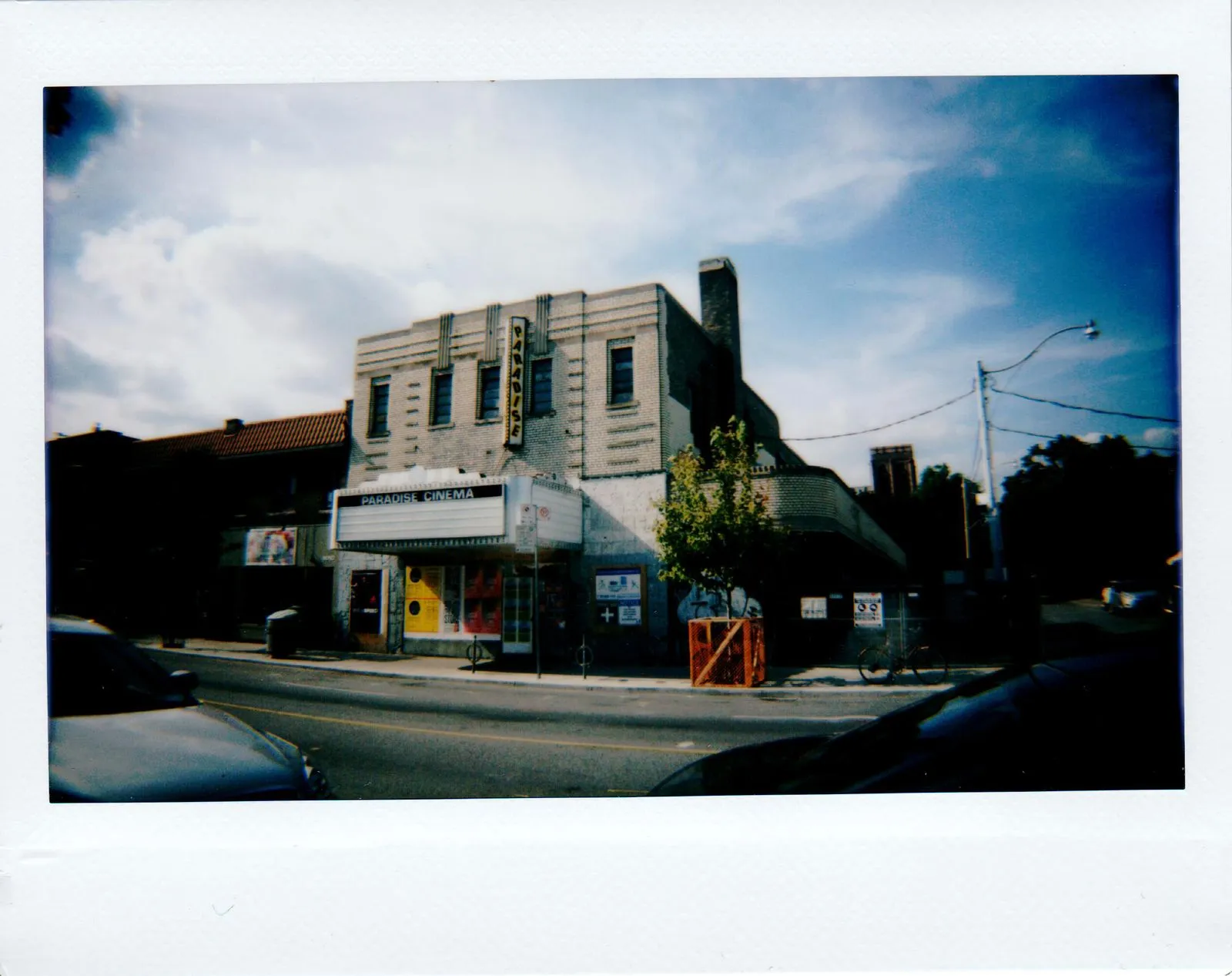
A Toronto history walking tour can reveal a different side of the city, whether you are drawn to landmark architecture, immigrant histories, political change, or everyday neighborhood life. The right choice depends on more than the route. Consider the subject, pace, duration, accessibility, and the guide’s approach to storytelling before you book. A little planning helps you choose a walk that suits your interests and leaves enough time to enjoy the city around it.
Choose a Neighborhood Theme
Start with the parts of Toronto you most want to understand. A tour through the old downtown may focus on early settlement, civic buildings, and the city’s growth. Other routes may explore a neighborhood’s architecture, changing communities, local businesses, or cultural traditions. Read the route description closely: two walks in the same area can tell very different stories.
Look for a theme that matches your curiosity, rather than choosing only by a famous landmark. If you are interested in how the city changed over time, check whether the guide connects individual sites to broader events. If you prefer a more local perspective, look for a route centered on neighborhood voices, daily life, or the details people often pass without noticing.
Match the Tour Length
Check the advertised duration and ask how much of it involves walking versus standing for stories. A shorter tour can work well as an introduction or fit between other plans. A longer walk may offer room for more stops and context, but it requires more time on your feet. Consider the total outing, including travel to the meeting point and time to find the group.
Think about your pace and the rest of your day. If you have limited time or are traveling with children, a focused route may be easier to enjoy than a broad city overview. Before booking, confirm the expected end point and whether the route returns near its starting location. This makes it simpler to plan transit, meals, and any activities afterward.
Check Accessibility Details
A walking tour’s accessibility depends on the actual route, not just its duration. Ask about distance, walking speed, rest stops, curb cuts, stairs, uneven sidewalks, and places to sit. Weather can also affect comfort, so find out whether the tour runs in rain and what the guide recommends bringing. Specific answers help you decide whether the experience will be manageable for your group.
If you use a mobility device or have a particular access need, contact the operator before booking and describe what would make the route workable. Ask whether the meeting point is easy to reach by transit and whether a restroom stop is available. Do not assume that a route is accessible based on a general description; confirm the details that matter to you.
Find Your Kind of Story
Guides can tell history through dates and landmark facts, personal accounts, architecture, food, or the experiences of communities whose stories have been overlooked. Read the tour description for clues about its style. If you want a particular perspective, such as labor history or migration, check that it is a central theme rather than a brief mention.
Reviews and operator information can help you judge whether the guide’s style suits you. Look for signs of a clear narrative, time for questions, and care with complex or contested history. A well-matched tour should invite curiosity without requiring prior knowledge. Toronto Heritage Walks is one option to consider when comparing local routes and themes.
The best Toronto history walking tour fits your interests, schedule, mobility needs, and preferred way of learning. Compare routes and descriptions, then ask the operator any practical questions before booking. With the right match, a walk can turn familiar streets into a richer view of the city. Explore available tours and choose a route that speaks to you.