
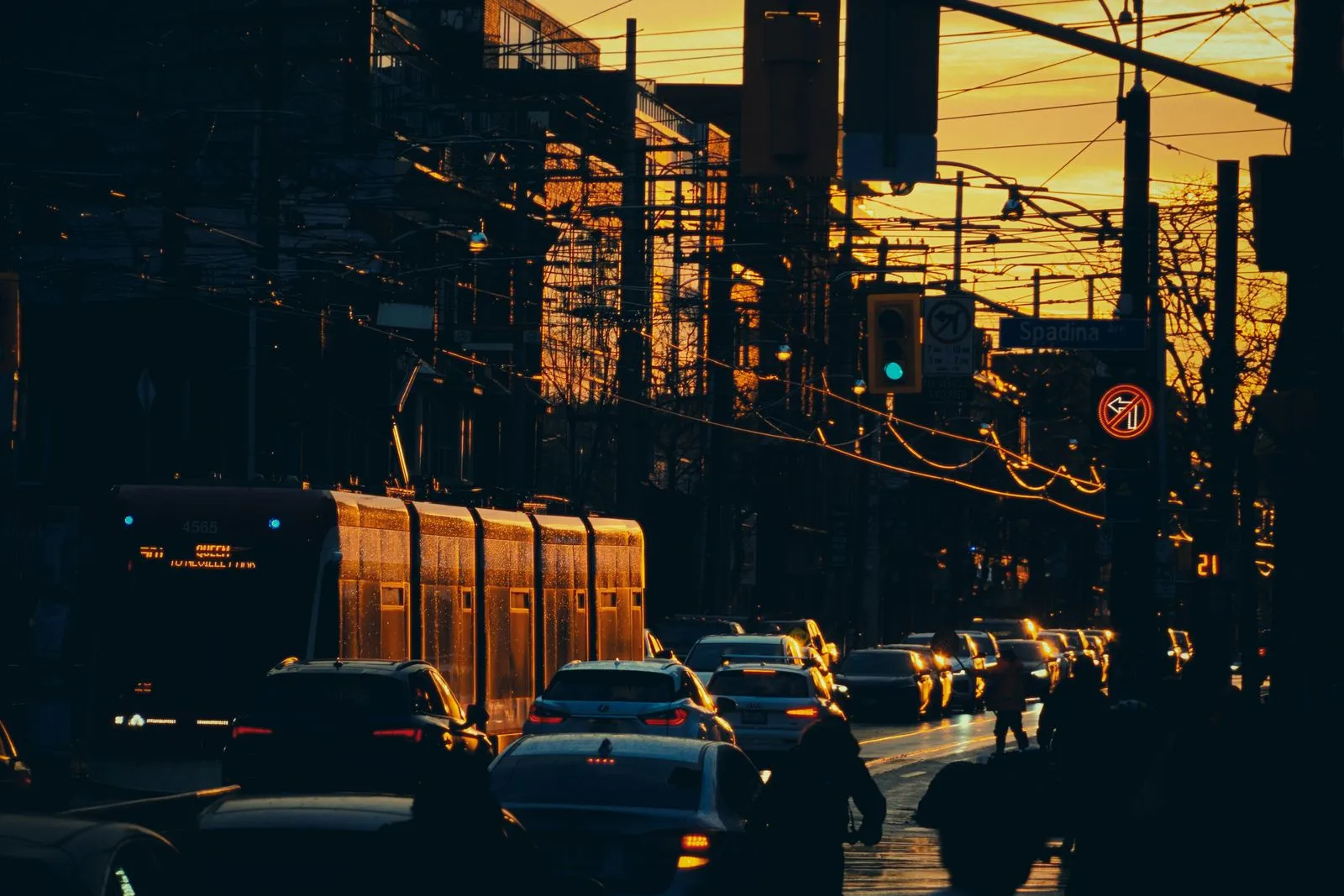
Toronto’s history is not confined to museums or monuments. It appears in street patterns, building materials, former industrial sites, and the way neighbourhoods meet the waterfront or ravines. Noticing these details gives visitors a clearer sense of how the city grew and whose experiences shaped it. A walk through several districts can reveal different chapters side by side: early settlement, immigration, industry, civic ambition, and ongoing change.
Read the street plan
Start by looking at how streets run. In older parts of the city, short blocks, narrow lanes, and irregular routes may reflect earlier property lines, creeks, or pathways that predate today’s grid. Elsewhere, broad avenues and orderly blocks point to deliberate planning as Toronto expanded. A map can help, but the ground itself offers clues: notice where a street bends, narrows, or ends unexpectedly.
Street names add another layer. They may preserve the names of people, places, or institutions connected to a district’s development. Compare a busy commercial road with a quieter residential street nearby. The contrast in width, storefronts, and traffic can show how different parts of a neighbourhood were designed to serve different purposes.
Notice buildings in context
A building’s age and original use can often be read through its shape. Large windows may belong to former workshops or factories; loading doors can signal commercial activity; and a church, school, or market hall can reveal where residents gathered. Look beyond a single façade and notice how buildings relate to one another. A row of similar houses suggests a period of coordinated growth, while varied styles may reflect gradual change.
Renovation does not erase every historical clue. A converted warehouse may retain brickwork, rooflines, or heavy timber details even when its interior serves a new purpose. Look for plaques, date stones, and changes in masonry, but treat them as starting points rather than complete accounts. A building’s history becomes clearer when you consider its location, former neighbors, and connection to the street.
Follow work and migration
Toronto’s neighbourhoods have been shaped by people who came to work, settle, and build community. Former factories, rail corridors, markets, and port facilities point to the jobs that once drew residents to an area. Religious buildings, cultural institutions, and long-standing local businesses can offer clues about the communities that established roots there. Their presence is part of the city’s history, not simply a feature of its present-day character.
These stories are rarely told by one landmark alone. Pair a visit to a community institution with a look at nearby housing, shops, and transit routes. Ask who could afford to live nearby, what kinds of work were available, and how the district changed as the city grew. For a fuller picture, seek out local interpretation and recognize that one street may hold several histories at once.
Look for change and continuity
New construction, restored storefronts, and repurposed industrial sites show how Toronto continues to change. Compare older buildings with newer ones on the same block. Differences in scale, materials, and entrances can reveal changing ideas about housing, commerce, and public space. Pay attention, too, to what has disappeared: a widened road or cleared site may have replaced older streets and buildings.
Some details persist even as a neighbourhood evolves. A familiar street alignment, mature trees, a public square, or a reused building can connect present-day activity with earlier uses. Walk slowly and compare what you see with an old photograph or map when available. This approach turns a sightseeing route into a way to understand how decisions made across generations shaped the city around you.
Toronto’s neighbourhoods make the city’s layered past visible through streets, buildings, and places of community life. Take time to notice how each detail fits into its surroundings, and let more than one perspective shape what you learn. For a guided introduction to the city’s stories, explore a walk with Toronto Heritage Walks.